
Mastering Dog Recall Techniques: How to Improve Your Dog's Recall Skills
Training your dog to come when called is one of the most important skills you can teach. A reliable recall keeps your dog safe, strengthens your bond, and allows for more freedom during walks and outdoor activities. However, many dog owners struggle with this essential command. This guide will walk you through effective dog recall techniques, practical tips, and solutions to common problems.
Understanding Dog Recall Techniques
Recall training is the process of teaching your dog to return to you promptly when called. It may sound simple, but it requires patience, consistency, and the right approach. Dogs are naturally curious and easily distracted, so recall training techniques must be engaging and rewarding.
Here are some key dog recall techniques to get started:
Use a Clear, Consistent Cue: Choose a word or phrase like "come" or "here" and use it consistently. Avoid using your dog’s name alone as a recall command.
Positive Reinforcement: Reward your dog immediately with treats, praise, or play when they respond correctly. This builds a positive association with coming back.
Start in a Controlled Environment: Begin training indoors or in a fenced yard with minimal distractions.
Gradually Increase Distractions: Once your dog responds reliably, practice in more challenging environments like parks or busy streets.
Use a Long Line: A long training lead allows your dog some freedom while still giving you control during early recall practice.
By applying these techniques, you create a strong foundation for your dog’s recall skills.

How do you fix a dog that ignores the recall?
Sometimes, dogs ignore the recall command, which can be frustrating and dangerous. Understanding why your dog ignores you is the first step to fixing the problem.
Common reasons dogs ignore recall:
Lack of Motivation: Your dog may not find the reward valuable enough.
Distractions: Exciting smells, other dogs, or noises can pull their attention away.
Negative Associations: If recall always means the end of fun, your dog may avoid it.
Inconsistent Training: Mixed signals or infrequent practice can confuse your dog.
How to fix it:
Make Yourself More Interesting: Use high-value treats or favourite toys that your dog loves.
Never Punish Your Dog for Coming Back: Even if they took their time, reward them to encourage future responses.
Practice Recall in Short, Frequent Sessions: Keep training fun and positive.
Use a Long Lead for Safety: This allows your dog to explore but gives you control to reinforce recall.
Change the Environment Gradually: Start in low-distraction areas and slowly increase difficulty.
By addressing these issues, you can rebuild your dog’s trust and enthusiasm for recall.
Practical Tips to Enhance Recall Training
Improving your dog’s recall skills requires more than just commands. Here are some actionable tips to make your training sessions effective:
Use a Happy Tone: Dogs respond better to cheerful, excited voices.
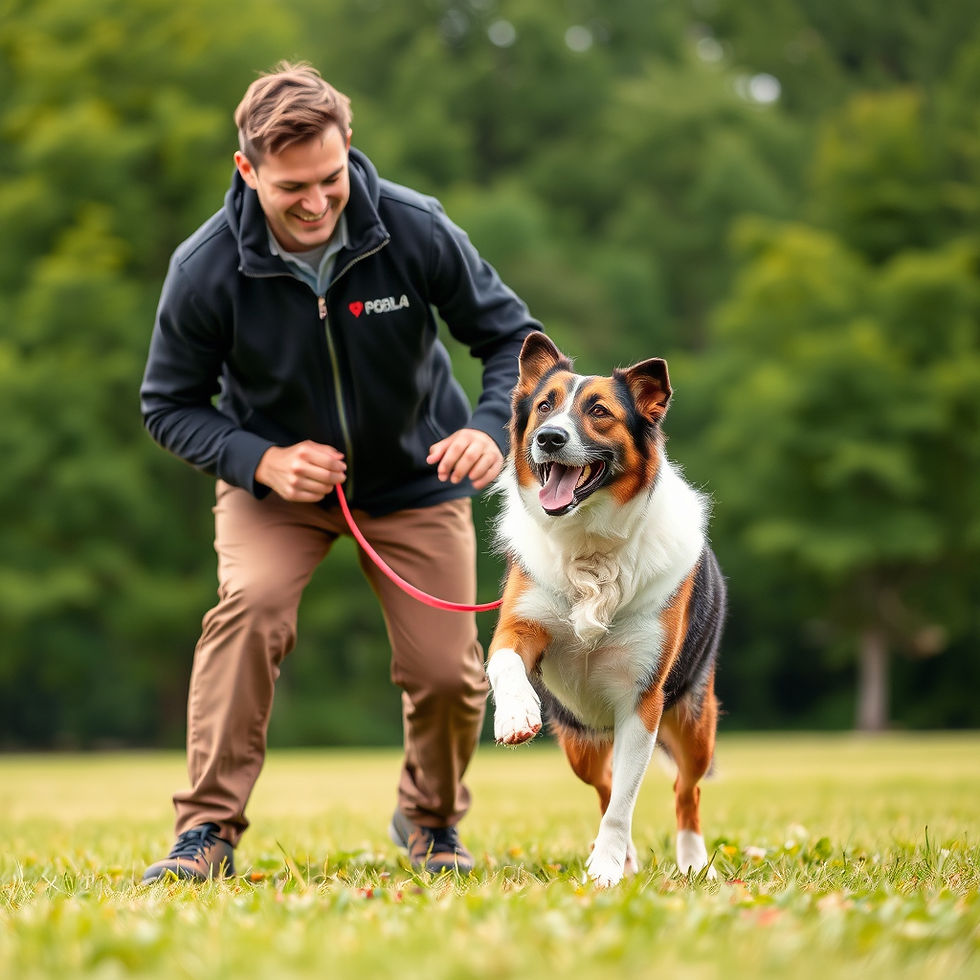
Incorporate Play: Turn recall into a game by running away or playing chase.
Keep Training Sessions Short: 5-10 minutes per session prevents boredom.
Be Patient and Consistent: Every dog learns at their own pace.
Avoid Calling Your Dog for Negative Experiences: Don’t call your dog to punish or end playtime abruptly.
Practice Random Rewards: Occasionally surprise your dog with extra treats to keep them guessing and motivated.
Remember, recall training is a lifelong process. Regular practice will maintain and improve your dog’s responsiveness.

The Role of Environment and Timing in Recall Training
The environment where you train your dog plays a crucial role in their success. Dogs learn best when distractions are minimal, but real-life recall requires training in various settings.
Start Indoors: Quiet and controlled, perfect for initial training.
Move to a Fenced Yard: Adds mild distractions while keeping your dog safe.
Practice in Parks or Open Spaces: Introduces real-world distractions like other dogs, people, and smells.
Avoid Busy or Dangerous Areas Initially: Safety is paramount.
Timing is also important. Train when your dog is alert but not overly tired or hungry. Early morning or late afternoon sessions often work well.
Using Tools to Support Recall Training
Certain tools can help improve your dog’s recall skills, especially during early training stages or in challenging environments.
Long Training Lead: Gives your dog freedom while maintaining control.
Clicker: A clicker can mark the exact moment your dog responds correctly, helping them understand the command faster.
Treat Pouch: Keeps rewards handy for quick reinforcement.
Whistle: Some dogs respond well to a whistle as a recall signal, especially over long distances.
Always use tools as aids, not crutches. The goal is for your dog to respond reliably without them.
Why Recall Training for Dogs is Essential
Reliable recall is not just a convenience; it is a safety measure. Dogs can get into dangerous situations quickly, from traffic to aggressive animals. A strong recall command can prevent accidents and keep your dog safe.
Moreover, recall training enhances your relationship with your dog. It builds trust and communication, making walks and outdoor activities more enjoyable for both of you.
If you want to dive deeper into effective methods, consider exploring recall training for dogs to find expert advice and step-by-step guides.
Keep Practicing and Stay Positive
Improving your dog’s recall skills takes time, patience, and consistency. Celebrate small victories and keep training sessions fun and rewarding. With the right dog recall techniques, you will enjoy a safer, happier, and more obedient companion.
Remember, every dog is unique. Adapt your approach to fit your dog’s personality and needs. The effort you put into recall training will pay off in a lifetime of trust and companionship.

Comments