
Uncovering the Playful Secrets: Exploring Canine Behavior Through the Joy of Play
- Nov 6, 2024
- 4 min read
Playtime is not just a fun diversion for dogs; it is crucial for their growth and behavior. Understanding how and why our furry friends play unlocks important insights into their temperament, social skills, and emotional well-being. Let’s embark on an exciting journey to discover how playtime reveals the secrets of canine behavior!
The Importance of Play in Canine Development
Just like humans, dogs use play to explore their world and develop social skills. Play is vital for puppies as they learn to communicate and understand physical boundaries. For instance, during social play with their littermates, puppies learn how to establish hierarchies and teach bite inhibition. A study found that puppies who engage in regular play are 30% less likely to display aggressive behaviors as adults.
For adult dogs, play does not lose its significance. It helps reduce anxiety and fosters emotional stability. Engaging in regular play can make a dog 20% less prone to stress-related issues, ensuring a balanced and happy companion.
Types of Play Behavior in Dogs
Dogs display various play behaviors, each providing insights into their personality and emotional state.
1. Social Play
This type of play involves interactions with peers, such as chasing and wrestling. Observing social play can reveal a dog's confidence and sociability. For example, a dog that confidently initiates play with others is likely to be more adaptable.
2. Solitary Play
Some dogs enjoy entertaining themselves. Solitary play can include tail chasing or chewing on their favorite toys. This behavior shows that the dog is comfortable in its environment and knows how to entertain itself. Studies indicate that dogs engaging in solitary play are often more independent and self-reliant.
3. Object Play
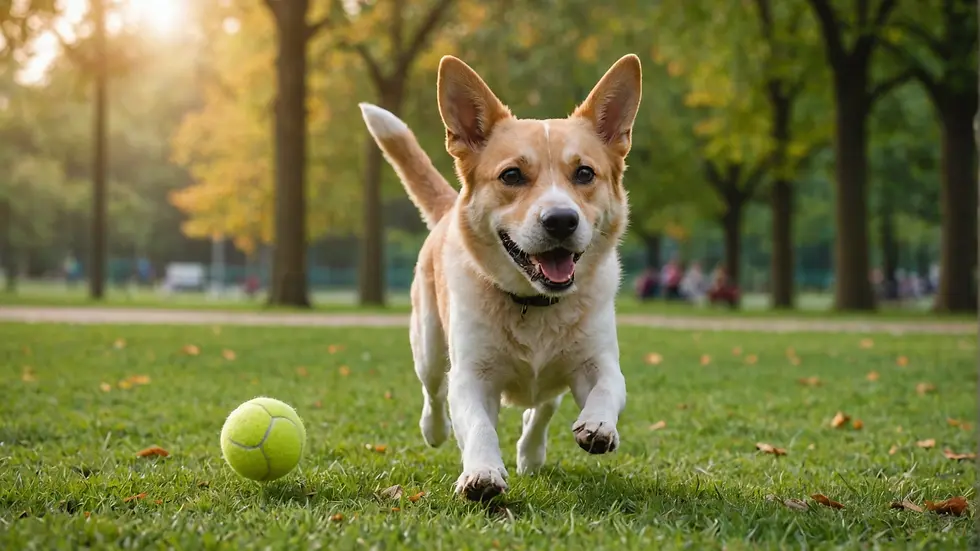
Playing with toys, balls, and sticks helps develop a dog’s natural hunting instincts. For example, a dog that enjoys fetching is usually energetic and eager to please. A 2020 survey showed that 65% of dog owners reported that their pets were more physically active due to regular object play.
4. Interactive Play
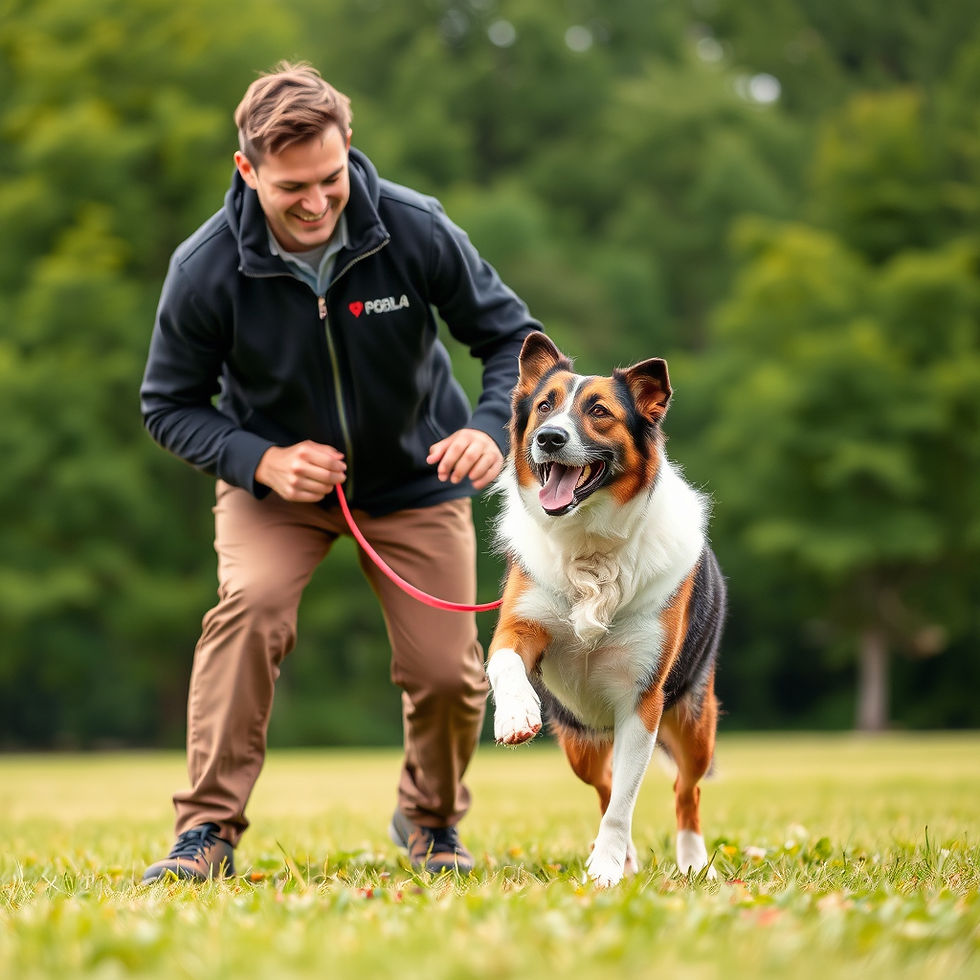
This involves direct interaction between a dog and their owner. Games like tug-of-war or fetch promote physical activity and strengthen the bond. Research indicates that dogs engaged in interactive play with their owners show a 40% increase in positive behaviors.
Reading Play Signals
Understanding canine behavior during playtime enhances both safety and enjoyment. Dogs communicate through body language, and recognizing play signals can maximize the play experience.
Body Language to Watch For
Relaxed posture: Shows comfort and enjoyment.
Play bow: The dog lowers its front legs while keeping its rear up, signaling the desire to play.
Barking: Short, cheerful barks usually indicate excitement, while continuous barking may suggest overstimulation.
Paw lifting: This can mean the dog is ready to engage or has seen something intriguing.
Recognizing these signs helps you understand when your dog is ready to play or needs a break.
Benefits of Play for Behavioral Issues
Regular playtime can address and improve behavioral issues in dogs. Engaging your dog in play can reduce fear and anxiety, curb unwanted behaviors, and decrease aggression. For instance, a dog that barks excessively can benefit from interactive play, such as puzzle toys which stimulate mental engagement.
Additionally, play helps improve social skills. A dog that regularly interacts with others through play is likely to learn proper social behavior, making them more approachable in dog parks or neighborhoods.
Choosing the Right Playtime Activities
Every dog has unique preferences, so it's essential to tailor playtime activities accordingly. Here are a couple of ideas to inspire your next playdate:
Fetch
This classic game taps into a dog's natural retrieving instinct. All you need is a ball or frisbee. According to the American Kennel Club, 80% of dogs enjoy this game.
Tug-of-War
This interactive game can be satisfying for both you and your dog, promoting bonding and exercise. Research shows that dogs that engage with their owners in tug-of-war are 25% more likely to respond positively to commands.
Hide and Seek
This fun game challenges your dog’s mind. Hide and call your dog, rewarding them with treats when they find you.
Agility Games
Setting up an agility course in your backyard can stimulate your dog both physically and mentally. Use cones, tunnels, and jumps to create a fun and exciting obstacle course.
When to Observe
Play behavior can change based on various factors, including time of day and environment. Keeping a keen eye on your dog's play behavior can help gauge their mood and energy levels. For example, a dog may play more energetically in familiar surroundings but be more reserved in new environments.
The Power of Playtime
Understanding canine behavior through play enriches the bond between dogs and their owners. Play opens a doorway into a dog’s mind, revealing insights about their personality and emotions.
By recognizing the importance of play, reading the signals, and choosing suitable activities, dog owners can foster a happier, healthier relationship with their furry friends.
So, grab that ball or pull out the tug toy! Each moment of playtime is not just fun; it’s an opportunity to deepen your connection with your beloved canine companion. Embrace the joy of play!

Comments